
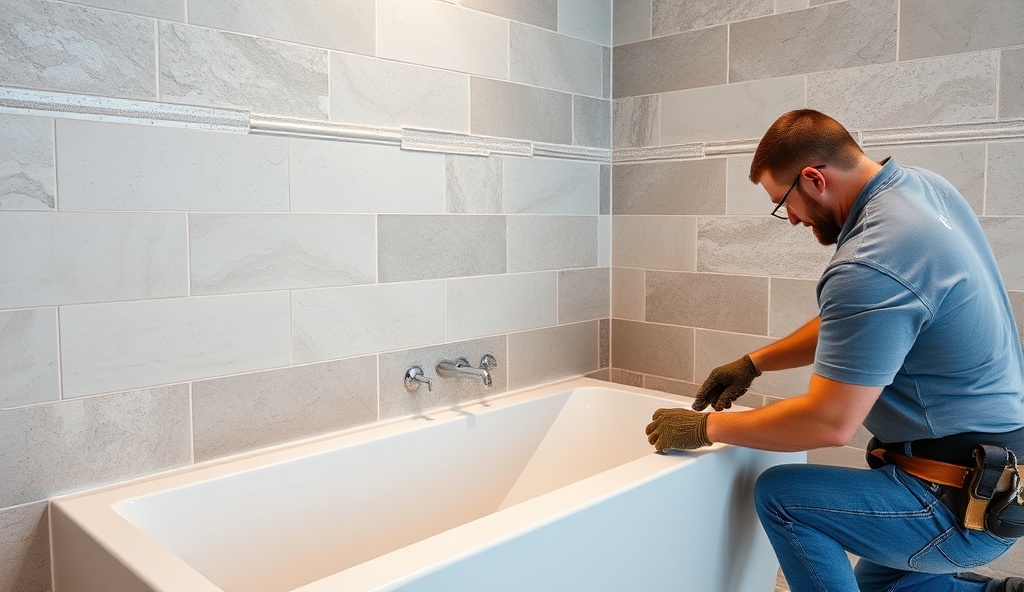
Proper bathroom waterproofing is critical in Texas homes. Water damage from bathroom moisture and leaks is one of the most expensive problems homeowners face. Professional waterproofing prevents costly structural damage, mold growth, and long-term issues that compromise home value and safety.
Why Professional Waterproofing Matters
Bathrooms are high-moisture environments. Showers, bathtubs, and sinks generate significant water exposure daily. Without proper waterproofing:
- Water seeps behind tiles and into wall cavities
- Mold develops in damp wall spaces
- Wood framing rots over time
- Structural damage compromises the home
- Repair costs escalate exponentially
Professional waterproofing prevents these issues by creating integrated systems that manage water flow and prevent penetration.
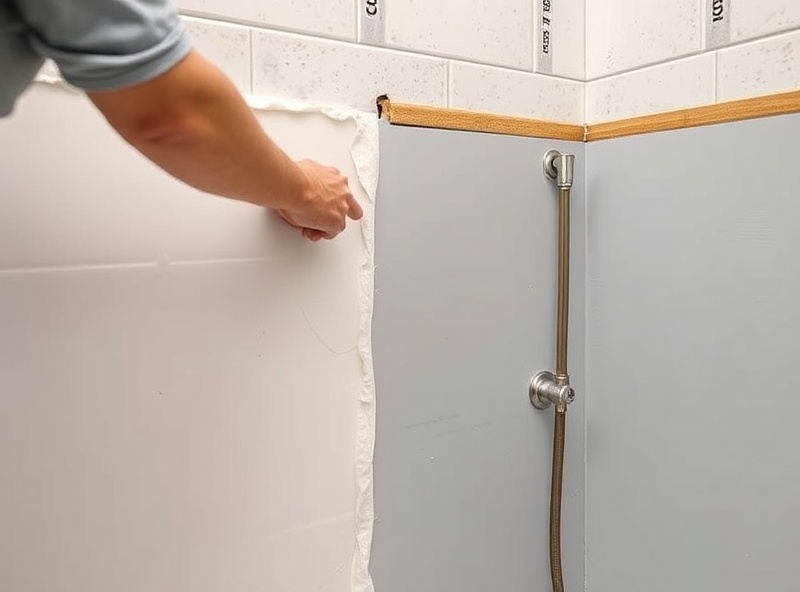
Comparing Waterproofing Methods: What Works Best
| Method | Durability | Installation Time | Cost Level | Flexibility | Maintenance | Best For |
|---|---|---|---|---|---|---|
| Tar Paper/Cement Coating | 5-10 years | 2-3 days | Low | Poor | Frequent repairs | Budget projects (not recommended) |
| Liquid Membrane | 10-15 years | 3-5 days | Medium | Good | Moderate | Small repairs, patches |
| Schluter-KERDI Sheet | 20-30+ years | 4-7 days | Higher | Excellent | Minimal | New construction, full remodels |
| Redgard/Nobless | 15-20 years | 3-5 days | Medium-High | Very Good | Low | Flexible applications, problem areas |
The comparison shows why professional contractors standardize on sheet membrane systems—they offer superior durability and protection despite higher upfront cost.
Traditional Methods vs. Modern Systems
Traditional Waterproofing (No Longer Recommended):
- Tar paper or cement-based coatings
- Incomplete coverage and penetration points
- Poor durability in moisture-heavy areas
- Often fails within 5-10 years
Modern Professional Systems (Industry Standard):
- Schluter-SYSTEMS membrane and edge profiles
- Integrated drainage and waterproofing
- Proper slope management
- Durable, testable, and warrantied solutions
- Designed for professional installation
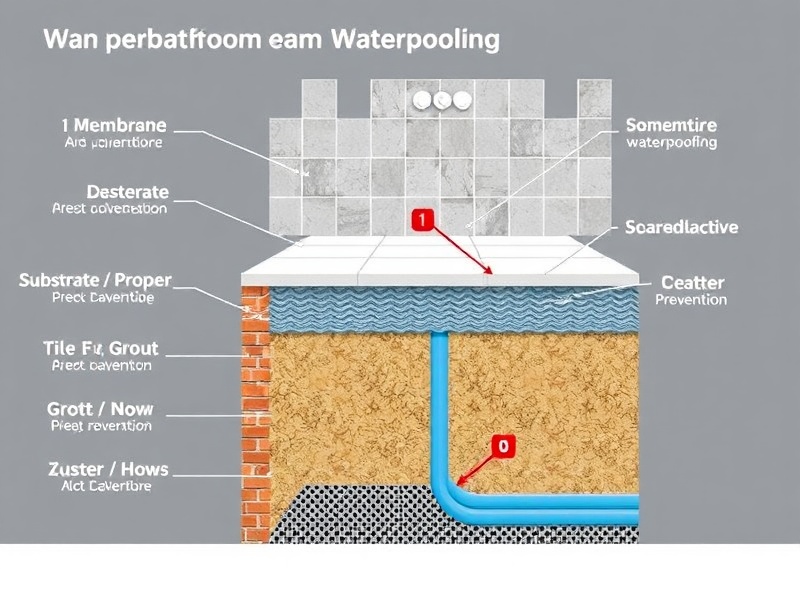
Schluter-SYSTEMS: The Professional Standard
Schluter-SYSTEMS is the industry-leading waterproofing solution used by professional contractors throughout Austin and the United States. This coordinated system includes:
Key Components:
- Schluter-KERDI Membrane: Waterproof, vapor-permeable sheet membrane
- Schluter-RAMP: Integrated slope forming and waterproofing
- Schluter-PROFILES: Edge trim with integrated waterproofing
- Schluter-DRAIN: Floor drain systems with built-in waterproofing
- Installation Tape & Sealants: Coordinated sealing systems
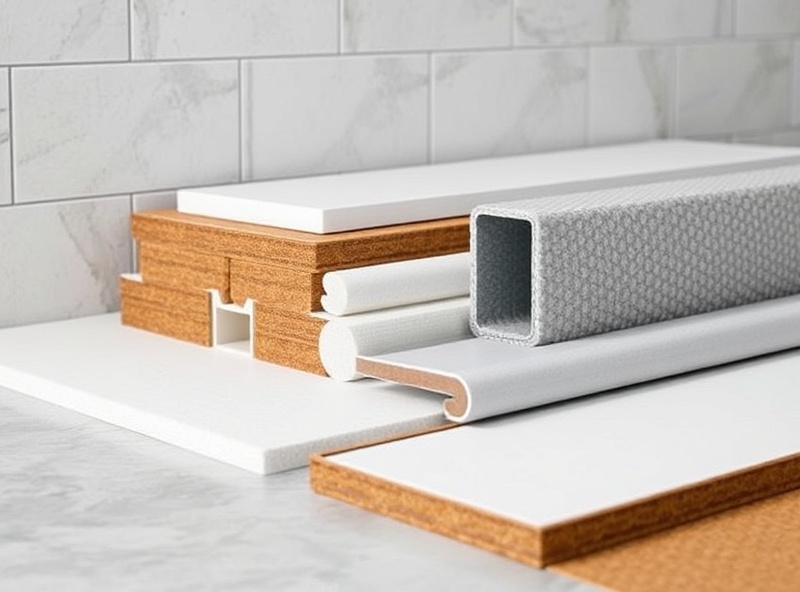
Why Professionals Choose Schluter:
- Tested and proven performance
- Comprehensive system (not piecemeal approach)
- Professional installation requirements ensure quality
- Comes with manufacturer warranty
- Reduces call-backs and water damage claims
Critical Waterproofing Areas
Shower Floors
The shower floor is the most critical waterproofing area. Water flows continuously toward the drain. Proper slope, membrane, and drain integration prevent water from spreading into surrounding structure.
Professional Approach:
- Pre-slope for water direction toward drain
- Schluter-KERDI or equivalent membrane over pre-slope
- Proper slope maintained at drain
- Coordinated drain system with integrated waterproofing
Shower Walls
Shower walls experience splash and moisture contact. Waterproofing prevents water from passing through tile into walls.
Professional Approach:
- Schluter-KERDI membrane on walls above shower
- Proper height (typically 60 inches minimum)
- Sealed seams and overlaps
- Integrated flashing at corners and penetrations
Bathroom Floors
Bathrooms have high humidity and potential for standing water. Proper waterproofing prevents moisture problems.
Professional Approach:
- Moisture barrier under flooring
- Proper drainage system in high-moisture areas
- Ventilation to manage humidity
Tub Surrounds
Bathtub walls need waterproofing to prevent damage behind tile.
Professional Approach:
- Waterproof membrane on walls above tub
- Sealed at edges and penetrations
- Proper integration with tub flange
Installation Standards for Texas Climate
Austin’s hot, humid climate creates unique waterproofing challenges:
Temperature Cycling: Heat causes materials to expand and contract. Professional systems account for this movement.
High Humidity: Texas humidity promotes mold growth if moisture isn’t properly managed. Proper ventilation combined with waterproofing prevents issues.
Hard Water: Austin’s mineral-rich water deposits on surfaces. Waterproofing protects substrate from water damage beneath deposits.
Flooding Risk: Heavy rains can cause water damage. Proper drainage and waterproofing prevent basement and foundation issues.
Professional Installation Requirements
Waterproofing effectiveness depends on proper installation. Key requirements:
Surface Preparation:
- Clean, sound substrate
- Proper slope for drainage
- All penetrations identified and planned
Membrane Installation:
- Proper overlap and sealing
- No air pockets or wrinkles
- Sealed seams per manufacturer specifications
Coordination with Other Trades:
- Plumbing roughed-in before membrane
- Electrical penetrations sealed
- Proper integration with tile and fixtures
Testing & Inspection:
- Mock-up areas tested for water penetration
- Visual inspection of all seams and edges
- Documentation of installation
Cost of Professional Waterproofing
Professional waterproofing costs vary by project scope:
Shower Waterproofing: $1,500-$3,000 depending on size and complexity
Full Bathroom Waterproofing: $2,500-$5,000+ for complete system
Cost Justification:
- Prevents water damage (typically $5,000-$20,000+)
- Extends bathroom lifespan 20-30+ years
- Protects home value
- Comes with warranty and professional guarantee
- Cost is small insurance against major problems
Signs of Waterproofing Failure
Watch for these warning signs:
- Staining on walls below bathrooms
- Soft or spongy walls
- Musty odors in bathrooms
- Visible mold growth
- Peeling paint in bathrooms
- Water coming through walls
- Damaged ceiling below bathroom
If you notice any of these, professional water damage assessment and repair are needed immediately.
Maintenance of Waterproofed Bathrooms
Proper maintenance extends waterproofing effectiveness:
Daily:
- Run exhaust fan during and 30 minutes after shower
- Squeegee shower walls and floor to remove standing water
- Ensure proper drainage
Weekly:
- Clean tile and grout (prevent mold growth)
- Ensure drains flow freely
Annual:
- Inspect caulk and sealants
- Check for any water stains or damage
- Address issues immediately
Working with Professional Contractors
When selecting a contractor for bathroom remodeling:
Ask about waterproofing:
- What system will be used (Schluter preferred)
- Installation method and timeline
- Warranty on waterproofing
- Maintenance recommendations
Verify credentials:
- Licensed contractor
- Insurance coverage
- References with similar projects
- Experience with waterproofing systems
Get detailed specifications:
- Written specifications for waterproofing
- Manufacturer’s documentation
- Warranty details
- Post-installation instructions
Frequently Asked Questions
How long does professional bathroom waterproofing last?
Modern sheet membrane systems like Schluter-KERDI typically last 20-30+ years with proper installation and maintenance. The warranty typically covers 10-20 years depending on the system.
Can I use caulk instead of professional waterproofing?
Caulk is not a complete waterproofing solution. While caulk seals seams and edges, it must be part of an integrated waterproofing system. Professional membranes provide the base protection; caulk seals penetrations and edges.
Is Schluter-SYSTEMS waterproofing worth the cost?
Yes. While initial cost is higher than basic methods, Schluter prevents water damage costs ($5,000-$20,000+) and extends bathroom life 20-30+ years. It’s cost-effective insurance against expensive problems.
Do I need waterproofing in tile-only bathrooms?
Absolutely. Any bathroom with water exposure needs waterproofing, regardless of tile type. Water penetrates behind tiles and into walls—tile alone doesn’t prevent this. Waterproofing behind tile is critical.
What happens if waterproofing isn’t done correctly?
Improper waterproofing leads to water penetration, mold growth, structural rot, and expensive repairs. Water damage can affect framing, insulation, and drywall behind walls—problems you won’t see until they’re extensive.
Can existing bathrooms be retrofitted with professional waterproofing?
Yes, but it’s more complex and expensive than waterproofing during remodeling. During remodeling, waterproofing is integrated seamlessly. Retrofitting requires removing tile and fixtures to access surfaces.
What’s the difference between waterproofing and water resistance?
Water resistance reduces but doesn’t prevent water penetration. Waterproofing completely prevents water from passing through a barrier. Bathrooms require true waterproofing, not just water resistance.
How often should waterproofing be maintained?
Proper maintenance is minimal. Daily habits (using exhaust fans, squeegee showers) and weekly cleaning prevent mold. Annual inspections check caulk and sealants. Professional systems require little ongoing work.
Conclusion
Professional bathroom waterproofing using modern systems like Schluter-SYSTEMS prevents expensive water damage, mold growth, and structural problems. While it requires proper installation and ongoing maintenance, the cost is minimal compared to water damage repair.
If you’re planning a bathroom remodel in Austin, proper waterproofing should be a priority. ARRO Construction uses industry-standard Schluter-SYSTEMS waterproofing on all bathroom projects, backed by professional installation warranty and comprehensive guidance on maintenance.
Contact ARRO Construction for a free consultation on your bathroom remodeling project and waterproofing specifications.