
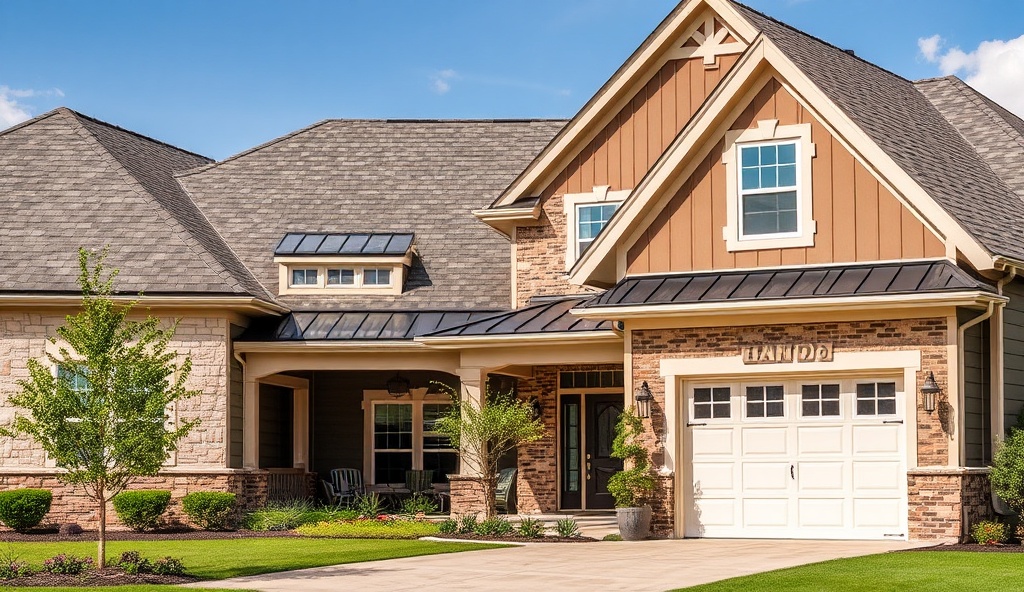
Austin’s climate presents unique challenges for exterior materials. Intense sun, occasional freezing temperatures, severe weather, and high humidity demand materials that perform well in Texas conditions. This guide helps homeowners choose exterior materials that last and look good.
Understanding Austin’s Climate Challenges
Texas climate creates specific demands on exterior materials.
Intense Solar Radiation:
- Austin averages 215+ sunny days annually
- Intense UV rays fade and degrade materials
- South and west-facing walls experience greatest exposure
- Heat buildup can warp materials
Temperature Cycling:
- Summer highs (100°F+) and winter lows (freezing) cause expansion/contraction
- Freeze-thaw cycles stress materials
- Materials must accommodate movement without failing
Humidity and Moisture:
- Humidity promotes mold and mildew growth
- High humidity accelerates wood rot and corrosion
- Moisture infiltration causes structural damage
- Proper drainage is essential
Severe Weather:
- Occasional ice storms and freezing rain
- Hail and wind damage risk
- Heavy rain events and flooding potential
- Materials must withstand weather extremes
Hard Water:
- Mineral-rich water leaves deposits
- Deposits degrade some material finishes
- Cleaning becomes maintenance challenge
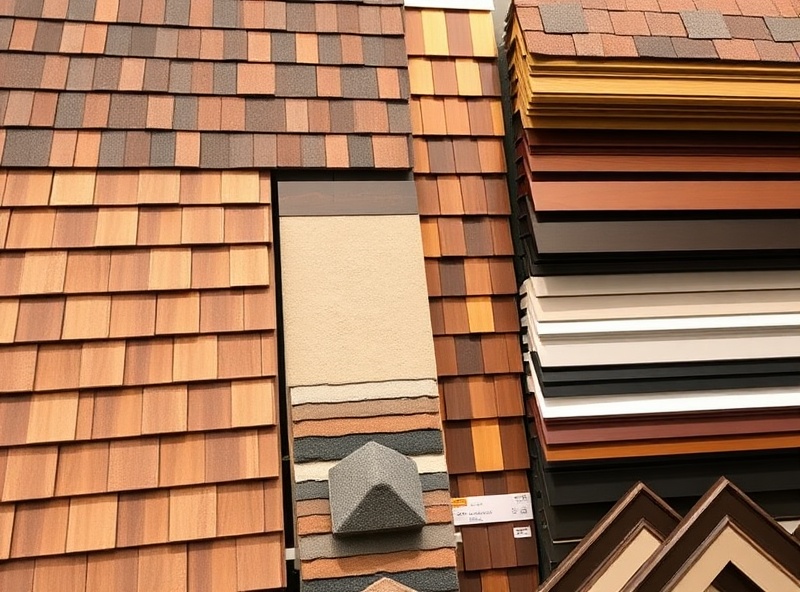
Siding Materials: Comparison Table
| Material | Durability | Maintenance | Cost/Sq Ft | Texas Suitability | Best For |
|---|---|---|---|---|---|
| Fiber Cement | 25-30 years | Low | $8-$15 | Excellent | High durability, low maintenance |
| Vinyl | 20-25 years | Minimal | $3-$8 | Good | Budget-conscious buyers |
| Metal | 40+ years | Minimal | $8-$18 | Excellent | Modern look, durability focus |
| Wood | 15-20 years | High | $8-$20 | Fair | Natural beauty, willing to maintain |
| Brick/Stone | 100+ years | Very Low | $15-$30 | Excellent | Timeless, premium durability |
Siding Material Options and Performance
Siding protects your home and is highly visible. Choose wisely.
Fiber Cement Board:
Performance in Texas:
- Excellent durability (25-30 years)
- Won’t rot in humidity
- UV and weather resistant
- Handles freeze-thaw cycles well
Maintenance:
- Paint every 7-10 years
- Minimal rot risk
- Resists insect damage
- Occasional cleaning needed
Cost:
- Mid-to-premium range ($8-$15 per sq ft installed)
- Long-term durability justifies cost
Best for: High-quality, low-maintenance, durable siding
Vinyl Siding:
Performance in Texas:
- Good durability (20-25 years in strong sun)
- Fades in intense UV exposure
- Can warp in extreme heat
- Moisture resistant but not rot-proof
Maintenance:
- No painting required
- Occasional cleaning
- Can crack or warp
- Repair requires panel replacement
Cost:
- Budget-friendly ($3-$8 per sq ft installed)
- Initial cost advantage
Best for: Budget-conscious homeowners prioritizing affordability
Metal Siding:
Performance in Texas:
- Excellent durability (40+ years)
- Won’t rot in humidity
- Handles extreme temperatures
- Rust resistance varies by type
Maintenance:
- Minimal maintenance
- Paint lasts longer than other materials
- Resists insect and weather damage
- Professional repair needed if dented
Cost:
- Mid-to-premium range ($8-$18 per sq ft installed)
- Excellent long-term value
Best for: Durability-focused homeowners wanting modern look
Wood Siding:
Performance in Texas:
- Beautiful natural appearance
- Requires consistent maintenance
- Susceptible to rot in humidity
- Vulnerable to insects and weather
Maintenance:
- Repaint or restain every 3-5 years
- Inspect annually for rot
- Require regular maintenance
- High maintenance commitment
Cost:
- Premium initial cost ($8-$20 per sq ft installed)
- High long-term maintenance costs
Best for: Homeowners willing to invest in regular maintenance for natural beauty
Brick and Stone:
Performance in Texas:
- Excellent durability (100+ years)
- Minimal weather impact
- Won’t rot or deteriorate
- Thermal mass benefits in climate
Maintenance:
- Repointing needed eventually (30-40 years)
- Minimal ongoing maintenance
- Very durable choice
- Professional repair needed for damage
Cost:
- Premium initial cost ($15-$30+ per sq ft installed)
- Minimal long-term maintenance costs
- Excellent durability justifies cost
Best for: Long-term investment, premium appearance, minimal maintenance
Roofing Material Performance
Your roof is your home’s primary weather protection.
Asphalt Shingles:
Texas Performance:
- Typical lifespan: 15-20 years (shorter in intense sun)
- Fades in strong UV exposure
- Can bubble or warp in extreme heat
- Most common and affordable option
Maintenance:
- Regular inspections (twice yearly)
- Debris removal
- Gutter cleaning
- Watch for premature aging
Cost: Budget-friendly ($5-$12 per sq ft installed)
Metal Roofing:
Texas Performance:
- Excellent durability (40-60+ years)
- Reflects heat (energy efficient)
- Stands up well to freeze-thaw and hail
- Energy savings significant
Maintenance:
- Minimal maintenance
- Very durable
- Wind and hail resistant
- Professional installation critical
Cost: Mid-to-premium ($12-$25 per sq ft installed)
Best for: Long-term investment, energy efficiency, durability
Tile Roofing:
Texas Performance:
- Extremely durable (50+ years)
- Handles UV, heat, and weather well
- Very heavy (structural support needed)
- Traditional appearance
Maintenance:
- Occasional repair or resealing
- Very low maintenance
- Professional repair required
- Cracked tiles must be replaced
Cost: Premium ($20-$40+ per sq ft installed)
Best for: Historic homes, long-term value, distinctive appearance
Deck and Outdoor Material Durability
Decks, patios, and outdoor structures need weather-resistant materials.
Pressure-Treated Wood:
Performance:
- Moderate durability (15-20 years)
- Treated to resist rot
- Still requires staining/sealing
- Subject to splinters and surface damage
Maintenance:
- Restain every 2-3 years in Texas sun
- Inspect for rot regularly
- Clean to prevent mold
- Regular maintenance needed
Cost: Budget-friendly (attractive initial cost)
Composite Deck Material:
Performance:
- Good durability (25-30 years)
- Won’t rot or splinter
- Fades in strong Texas sun
- Minimal structural issues
Maintenance:
- Occasional cleaning
- Mold prevention important
- Minimal maintenance
- No staining needed
Cost: Mid-range ($12-$20 per sq ft)
Hardwood Decks:
Performance:
- Beautiful natural appearance
- Premium durability if maintained
- Susceptible to rot in humidity
- Requires consistent care
Maintenance:
- Annual or biennial staining
- Regular inspection
- Mold prevention critical
- High maintenance commitment
Cost: Premium ($15-$30+ per sq ft)
Paint and Stain Performance in Texas Sun
Finish quality matters tremendously in strong sun.
Premium Exterior Paint:
Texas Recommendations:
- Use 100% acrylic latex (not vinyl-acrylic blend)
- UV-protective formulations
- Light colors better in intense sun
- Quality brands (Sherwin-Williams, Benjamin Moore, Behr)
Durability:
- Quality paint lasts 5-7 years in Texas
- Budget paint fades in 2-3 years
- Proper prep work extends lifespan
- Two coats recommended
Exterior Stain:
For Wood Siding:
- Semi-transparent stains: 3-5 year lifespan
- Solid color stains: 5-7 year lifespan
- Oil-based vs. latex: both work, latex easier
- High-quality brands important
For Decks:
- Stain every 2-3 years in Texas sun
- Semi-transparent most common
- Proper prep essential
- Stain selection impacts durability
Caulk and Sealant Durability
Often overlooked, caulk is critical for weather protection.
Polyurethane Caulk:
- Excellent durability (10-15 years)
- Works in various conditions
- More expensive but lasts longer
- Professional application recommended
Acrylic Caulk:
- Moderate durability (5-7 years)
- Budget-friendly
- Paintable
- Adequate for many applications
Silicone Caulk:
- Good durability (10+ years)
- Water-resistant
- Non-paintable
- Premium option
Maintenance Tips for Texas Materials
Extend material lifespan with proper care.
Siding:
- Power wash annually (gentle pressure)
- Inspect for damage and cracks
- Address issues promptly
- Touch up paint as needed
Roofing:
- Inspect twice yearly (spring and fall)
- Remove debris and moss
- Check flashing
- Address issues immediately
Decks:
- Clean regularly to prevent mold
- Restain on proper schedule
- Inspect for rot and damage
- Address water damage immediately
Paint and Finishes:
- Power wash before repainting
- Prep surfaces properly
- Use quality products
- Apply adequate coats
Material Selection for Texas Homes
Making the right choice for your needs.
For Maximum Durability:
- Fiber cement siding
- Metal or tile roofing
- Composite deck materials
- Quality caulk and sealants
For Low Maintenance:
- Metal siding or roofing
- Composite decking
- High-quality paint
- Professional installation
For Best Value:
- Fiber cement (durability/cost balance)
- Metal roofing (energy savings + durability)
- Composite decking (moderate cost, good life)
For Premium Appearance:
- Wood siding (with maintenance commitment)
- Brick/stone (timeless beauty)
- Tile roofing (distinctive look)
- Professional finishes
Energy Efficiency Considerations
Material choices impact energy costs.
Reflective Materials:
- Metal roofing reflects heat (energy efficient)
- Light-colored materials stay cooler
- Reduces cooling costs significantly
Thermal Mass:
- Brick and stone moderate temperature
- Helps stabilize interior temperature
Ventilation:
- Proper attic ventilation critical
- Underlayment affects performance
- Gaps and leaks reduce efficiency
Frequently Asked Questions About Exterior Materials in Texas
What’s the best siding material for Austin’s climate?
Fiber cement and metal siding perform best in Texas conditions. Both handle intense heat, UV radiation, and humidity without rot or warping. Fiber cement offers excellent durability (25-30 years) with periodic painting; metal lasts 40+ years with minimal maintenance. Vinyl is budget-friendly but can fade/warp in extreme heat. Wood requires significant maintenance in humid Texas climate.
How often do I need to repaint exterior siding?
Fiber cement and wood typically need repainting every 7-10 years in intense Texas sun. Metal siding holds paint 10-15+ years. Vinyl doesn’t need painting. High-quality paint and proper preparation extend repainting intervals. West and south-facing exposures fade faster due to UV exposure and need earlier attention.
Is metal roofing worth the cost in Austin?
Metal roofing costs more initially (30-50% premium) but lasts 40-60+ years versus asphalt’s 15-25 years. Metal reflects heat (reducing cooling costs 10-25%), won’t rust in Texas humidity, and handles hail better. The long lifespan and energy savings make it excellent value for permanent homes. Asphalt is cheaper upfront but requires earlier replacement.
What causes wood rot and how do I prevent it?
High humidity promotes wood rot in Texas. Proper ventilation, drainage, and moisture barriers prevent rot. Regular staining/sealing (every 3-5 years) protects wood from moisture penetration. Inspect annually for soft spots, discoloration, or insect damage. Treat any damage immediately to prevent spread. Wood siding requires higher maintenance commitment than synthetic materials.
Should I use composite or wood for my deck?
Composite decking requires less maintenance (no staining needed) but costs 30-50% more initially. Wood requires staining every 2-3 years in intense Texas sun but costs less. Composite lasts 25-30 years; wood lasts 15-20 years with regular maintenance. Choose based on your maintenance preference and budget. Composite is better for low-maintenance; wood is better for budget-conscious homeowners willing to maintain.
How does Texas hard water affect exterior materials?
Mineral deposits from hard water can degrade some finishes and are visible on darker materials. Regular gentle power washing removes deposits. Use soft water or add water softening agent if hand-washing. Choose light-colored materials if deposits are concern. High-quality sealants and finishes resist mineral staining better than lower-quality products.
What’s the best way to maintain my roof in Texas?
Inspect twice yearly (spring and fall) for damage, missing shingles, or debris. Remove branches, leaves, and moss to prevent water pooling. Check flashing around penetrations. Address damage immediately—Texas storms can cause hidden damage. Professional inspection every 3-5 years identifies issues before they become major problems. Proper ventilation extends roof life significantly.
Is professional installation really necessary?
Yes. Quality materials fail with improper installation. Poor installation voids warranties and reduces material lifespan. Professional installers understand Texas climate requirements, proper drainage, expansion/contraction, and code compliance. Contractors with Texas experience know material-specific best practices. Initial installation quality directly impacts long-term durability and maintenance costs.
Working with Contractors on Material Selection
Choose qualified contractors for material-specific work.
Ask About:
- Texas climate experience
- Material performance in local conditions
- Maintenance requirements
- Warranty coverage
- Installation best practices
- Long-term durability expectations
Verify:
- Licensed contractors
- Proper insurance
- References with similar projects
- Understanding of Texas conditions
- Quality materials and installation
Conclusion
Austin’s climate demands exterior materials that handle intense sun, temperature swings, humidity, and occasional severe weather. Higher-quality materials may cost more initially but deliver superior durability and lower maintenance costs over time.
Choose materials suited to your budget, maintenance willingness, and long-term goals. Professional installation is critical—even quality materials fail with improper installation.
ARRO Construction selects materials proven in Texas climate and ensures professional installation for maximum durability and performance.
Contact ARRO Construction for exterior material recommendations and professional installation for your Austin home.