
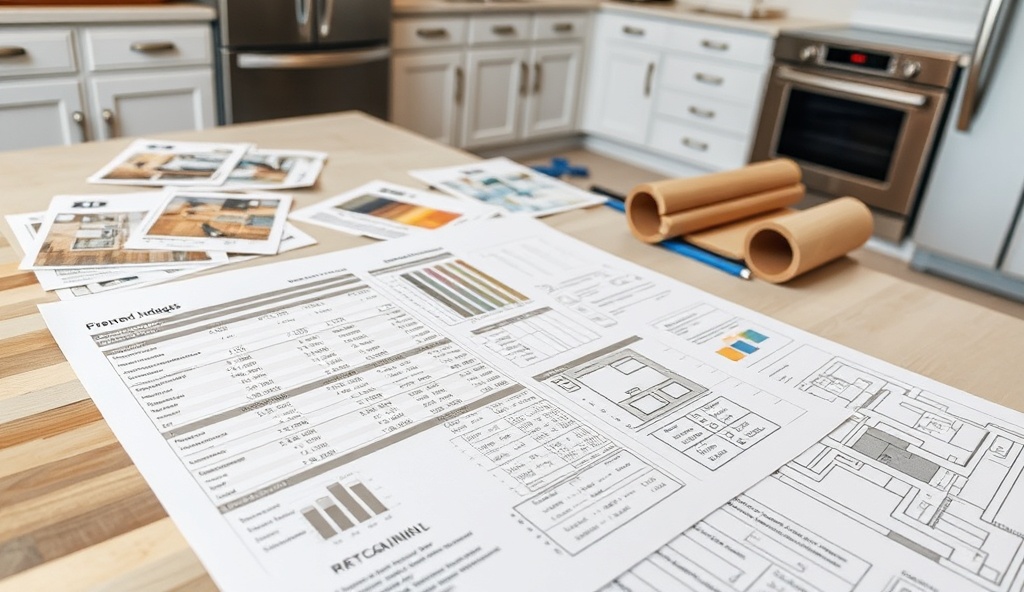
Kitchen remodeling is one of the most valuable home improvements you can make. But managing the budget effectively is critical. This guide walks you through creating a realistic kitchen remodel budget and understanding where your money goes.
Kitchen Remodeling Budget Comparison
| Project Type | Budget | Cabinetry | Counters | Appliances | Labor | Timeline | ROI |
|---|---|---|---|---|---|---|---|
| Basic Update | $25K-$40K | Painted/Refaced | Laminate/Quartz | Standard | Minimal | 3 weeks | 40-50% |
| Mid-Range | $40K-$65K | Semi-Custom | Quartz/Granite | Mid-Range | Full | 5-8 weeks | 50-60% |
| High-End | $65K-$100K | Custom | Premium | Professional | Complete | 8-12 weeks | 45-55% |
| Luxury | $100K+ | Custom Millwork | Ultra-Premium | High-End | Custom | 12+ weeks | 40-50% |
Average Kitchen Remodeling Costs in Austin
Kitchen remodeling costs in Austin typically range from $25,000 to $100,000+, depending on scope and finishes. Here’s the breakdown by project type:
Basic Kitchen Updates: $25,000-$40,000
- New cabinet paint or refinishing
- New countertops (laminate or basic quartz)
- Update hardware and lighting
- Paint and minor cosmetic changes
- Keeps existing layout
Mid-Range Remodel: $40,000-$65,000
- New cabinetry (semi-custom)
- Quality countertops (quartz, granite)
- New appliances (mid-range brands)
- Updated lighting and electrical
- Possible minor layout adjustments
High-End Remodel: $65,000-$100,000
- Custom cabinetry
- Premium countertops (high-end quartz, marble)
- Professional-grade appliances
- Upgraded electrical and plumbing
- Layout redesign or addition
- Premium finishes throughout
Luxury Kitchen: $100,000+
- Custom millwork and built-ins
- Ultra-premium finishes and materials
- High-end appliances and systems
- Structural changes and additions
- Smart home integration
- Custom lighting design
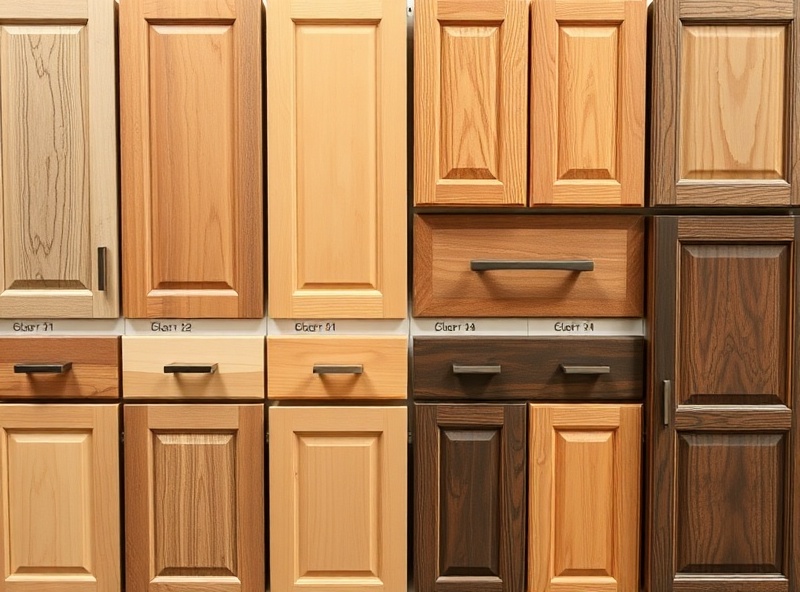
Cost Breakdown: Where Your Money Goes
Understanding cost distribution helps you make informed decisions:
Cabinetry: 30-40% of budget Quality cabinetry is your largest expense. This includes design, materials, hardware, and installation.
- Stock cabinets: $10,000-$15,000
- Semi-custom: $15,000-$25,000
- Full custom: $25,000-$40,000+
Countertops: 10-15% of budget Professional installation and quality materials are essential.
- Laminate: $3,000-$5,000
- Solid surface/quartz: $8,000-$12,000
- Granite: $10,000-$15,000
- Premium materials: $15,000+
Appliances: 10-15% of budget Modern appliances improve functionality and energy efficiency.
- Basic stainless steel: $6,000-$8,000
- Premium brands: $10,000-$15,000
- Professional-grade: $15,000-$25,000
Labor: 20-30% of budget Professional installation ensures quality and code compliance.
- Carpentry and installation
- Electrical work
- Plumbing work
- Finishing work
Flooring: 5-10% of budget Kitchen flooring takes abuse and must be durable.
- Tile: $3,000-$5,000
- Wood: $5,000-$8,000
- Luxury vinyl: $2,000-$4,000
Backsplash & Finishes: 5-10% of budget These finishing touches create the visual impact.
- Tile backsplash: $1,500-$3,000
- Paint and trim: $1,000-$2,000
- Lighting: $1,500-$3,000
- Hardware: $1,000-$2,000
Permits & Contingency: 5-10% of budget Essential for protecting your investment.
- Permits and inspections: $500-$1,500
- Contingency (10-15%): $3,000-$10,000
Creating Your Budget: Step-by-Step
1. Define Your Scope
What specifically needs to be done?
Ask yourself:
- Is the current layout functional or needs redesign?
- Are cabinets salvageable or need replacement?
- Do appliances need updating?
- What’s the condition of electrical and plumbing?
- Are there structural issues to address?
- Do you want to expand the kitchen size?
Defining scope determines whether you need a $30K update or $80K remodel.
2. Research Material Costs
Get pricing on items that matter most to you.
Visit showrooms and get quotes for:
- Cabinetry options and pricing
- Countertop materials and pricing
- Appliance brands and models
- Flooring options
- Tile and backsplash materials
- Lighting fixtures
- Hardware and accessories
Actual quotes are more accurate than online estimates, especially for custom work.
3. Get Contractor Estimates
Work with reputable contractors who provide detailed estimates.
Request estimates that include:
- Detailed scope of work
- Line-item pricing for each component
- Labor cost breakdown
- Material cost breakdowns
- Timeline and payment schedule
- Warranty information
- References from similar projects
Compare multiple estimates, but don’t automatically choose the lowest. Quality and experience matter significantly.
4. Build in Contingency
Plan for unexpected costs that arise during construction.
Common surprises:
- Hidden structural damage (water damage, rot, settling)
- Electrical system deficiencies requiring upgrade
- Plumbing issues discovered during roughing
- Layout conflicts discovered during construction
- Material availability delays requiring substitutions
- Change order requests from homeowners
Recommend a 10-15% contingency fund ($5,000-$10,000 for a $50K project). This prevents financial stress if issues arise and gives you flexibility to make quality decisions.
Budget Management Strategies
Strategy 1: Prioritize Splurges vs. Savings
Spend more on:
- Cabinetry (used daily, visible, impacts functionality)
- Countertops (heavily used, visible, durability matters)
- Appliances (performance and reliability)
- Lighting (affects mood and function)
Save on:
- Paint colors (inexpensive to change later)
- Hardware (easy and affordable upgrade)
- Backsplash design (trendy element, easier to change)
- Light fixtures (can upgrade later)
Strategy 2: Phased Approach
If budget is tight, consider phasing:
Phase 1 (Immediate): $30,000
- New cabinetry and countertops
- Paint and flooring
- Basic lighting update
- Hardware replacement
Phase 2 (Later): $15,000+
- New appliances
- Backsplash and finishes
- Upgraded lighting
- Additional design elements
Phasing allows you to spread costs while enjoying improvements progressively.
Strategy 3: Value Engineering
Optimize value without cutting quality:
- Choose semi-custom cabinetry instead of ultra-luxury
- Select quality quartz instead of premium granite (equal durability, different aesthetics)
- Mid-range appliances with excellent reviews rather than ultra-premium
- Strategically use tile in focal areas rather than everywhere
- Simplify layout changes rather than dramatic reconfigurations
Financing Options
Home Equity Line of Credit (HELOC)
- Borrow against home equity
- Flexible access to funds
- Variable interest rates
- Good for phased projects
Home Equity Loan
- Lump sum loan against equity
- Fixed interest rate
- Predictable payments
- Good if budget is clear
Personal Loan
- Unsecured loan
- Fixed rate
- Higher interest than secured loans
- Good for smaller projects
0% Interest Credit Cards
- 12-24 months promotional rates
- Must pay off within promotion period
- Good for shorter timelines
- Requires excellent credit
Payment Plans
- Some contractors offer payment plans
- Spread costs across project timeline
- Interest rates vary
- Verify terms carefully
Cash Out Refinance
- Refinance mortgage for higher amount
- Access difference in cash
- Lower interest rates but longer terms
- Good if mortgage rates favorable
Cost-Saving Tips Without Cutting Quality
Refacing Existing Cabinets
If cabinets are structurally sound, refacing updates appearance at 40-50% of replacement cost.
Partial Cabinet Replacement
Replace base and island cabinets, keep upper cabinets. Saves 30-40% while modernizing main visible areas.
Open Shelving
Strategic open shelving costs less than cabinetry while creating modern aesthetic.
Paint Instead of Tile
Paint walls and apply removable backsplash instead of permanent tile installation.
Standard vs. Custom Appliances
Choose standard finishes (stainless) over custom colors. Colors date quickly; standard finishes last.
Laminate vs. Stone Countertops
High-quality laminate mimics stone appearance at 30-40% of stone costs.
Working with Your Contractor on Budget
Clear Communication
- Establish budget range upfront
- Discuss priorities
- Agree on payment schedule
- Define change order process
Written Estimates
- Get detailed written estimate
- Line-item pricing
- Clear scope definition
- Warranty and timeline information
Change Orders
- Establish process before work begins
- Get written approval for changes
- Include cost impact and timeline
- Document all changes
Progress Payments
- Structure payments to match construction progress
- Typical: 1/3 deposit, 1/3 at halfway, 1/3 upon completion
- Don’t pay in full upfront
- Retain final payment until completely satisfied
Red Flags: Budgets That Underestimate
Watch out for estimates that seem too good to be true:
- Significantly lower than other quotes
- Vague descriptions of scope
- No contingency included
- No warranty mentioned
- Pressure to decide quickly
- Cash-only payment demands
- No written contract
Professional contractors can explain their pricing. If you don’t understand the estimate, ask questions until you do.
Frequently Asked Questions About Kitchen Budgets
What’s the average kitchen remodel cost in Austin?
Average costs range $25,000-$100,000+, with mid-range remodels ($40,000-$65,000) being most common. Costs depend on scope, materials, and finishes. Basic updates cost less; custom layouts with premium materials cost more. Get multiple contractor quotes for your specific project.
Should I budget for contingency in kitchen remodels?
Yes, absolutely. A 10-15% contingency is standard and essential. For a $50,000 project, reserve $5,000-$7,500 for unexpected issues like hidden damage, code compliance, or material delays. Projects without contingency consistently exceed budget.
What takes the biggest chunk of kitchen budget?
Cabinetry typically costs 30-40% of your budget, followed by labor (20-30%), countertops (10-15%), and appliances (10-15%). Where to splurge depends on your priorities—invest in items you use daily (cabinets, counters) and save on trendy elements (backsplash, paint).
Is it cheaper to reface cabinets or replace them?
Cabinet refacing costs 40-50% of replacement. It works well if cabinets are structurally sound. New cabinetry offers more options but costs more. Consider refacing if structure is good and you just want updated appearance. Replace if there’s damage or layout needs changing.
How long does a kitchen remodel take?
Timeline depends on scope. Basic updates take 3-4 weeks. Mid-range remodels take 5-8 weeks. High-end or complex layout changes take 8-12+ weeks. Permits, supply delays, and structural issues can extend timelines. Discuss expected timeline with your contractor upfront.
Can I cook during my kitchen remodel?
Not during demolition. Plan for temporary cooking arrangements during active work. Some phases (finishing, painting) may allow limited access. Discuss timeline with contractor so you can prepare—eating out, temporary kitchenette elsewhere, or meal planning helps manage disruption.
What financing option should I choose?
Home equity loans/HELOCs typically offer best rates. Home equity loans give fixed rates and predictable payments. HELOCs offer flexibility for phased projects. Personal loans work for smaller budgets. Compare rates and terms—don’t just choose lowest rate without considering terms. Consult a financial advisor for your situation.
Should I choose the lowest quote?
No. While budget matters, quality and experience are critical. A contractor 20% cheaper might cut corners, miss details, or have poor warranty. Compare detailed estimates, check references, verify licenses/insurance, and choose the best value, not lowest price. A quality remodel lasts 20+ years.
Conclusion
Budgeting your kitchen remodel successfully requires:
- Clear understanding of scope and needs
- Research of material and labor costs
- Multiple contractor estimates
- Prioritization of where to invest
- Realistic contingency planning
- Clear communication with your contractor
- Written contracts and change order procedures
A well-budgeted kitchen remodel delivers not just a beautiful space, but peace of mind knowing costs are managed and quality is assured.
ARRO Construction provides detailed estimates with transparent pricing breakdowns. We work with you to create a kitchen remodel within your budget while delivering professional quality.
Contact ARRO Construction for a free kitchen remodeling consultation and detailed budget estimate.